When the first signal is a chargeback
In this category of approach, there is no screening before a transaction is processed. The business finds out about fraud the same way it finds out about most problems in payments: after the fact, when a chargeback lands. If the pattern repeats, the usual response is not a fix but a decision to switch the merchant off. The money has already moved, the case starts cold, and the only lever left is to stop future volume rather than understand the one that already happened.
A dispute workflow that doesn't start from zero
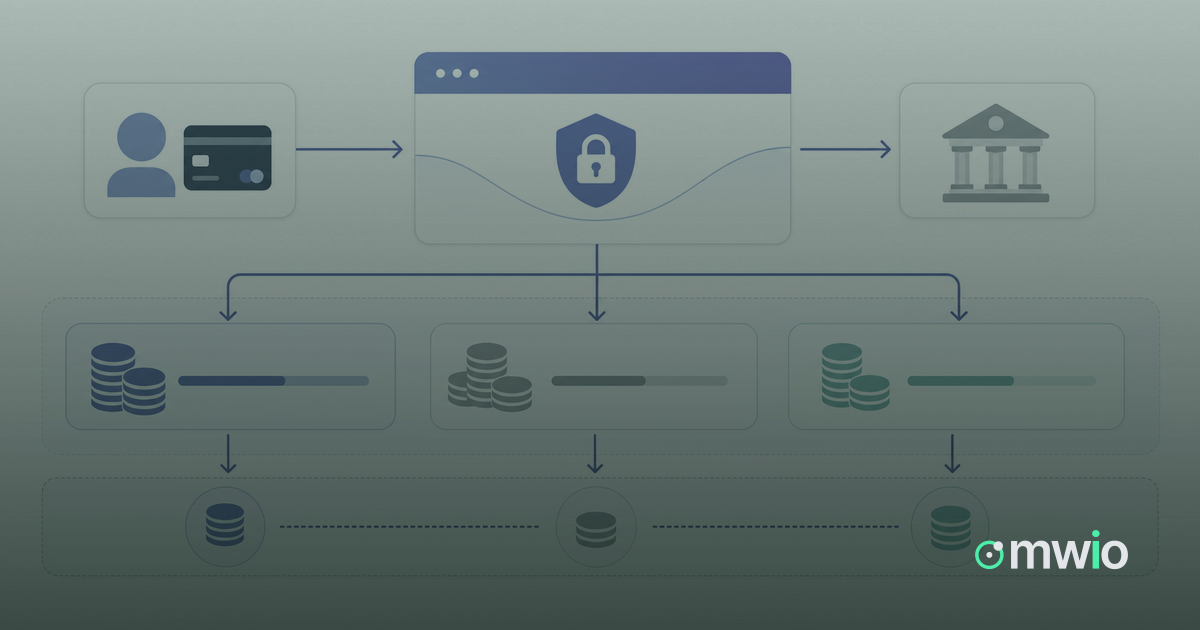
omwio treats refunds, chargebacks and disputes as part of the baseline, not as an afterthought bolted onto reporting. A manager can let a merchant open a dispute directly on a payment or payout, from the merchant panel or through the Processing API, with a reason and up to five evidence files attached. The manager resolves the case, and balances are rolled back and re-posted automatically rather than adjusted by hand. Every chargeback becomes a structured case with its own record, instead of a one-line entry that someone has to reconstruct later.
Visibility before the dispute stage
Conversion and provider analytics show success rates, failure reasons and volume over time, ranked by merchant, provider and MID, and filtered by currency, status and period. That makes it possible to notice a failure pattern on a specific provider or MID without waiting for it to turn into a chargeback. Merchants get their own dashboard scoped to their own data, so they are not blind to what is happening on their traffic either. For tenants that also run the Monitoring module, per-provider and per-MID health signals and route-aware alerts surface degradation before merchants start complaining, and the history of that degradation becomes evidence for the next conversation with a provider.
Keeping the books straight once a case closes
A chargeback does not end when a balance is adjusted — it has to reconcile with what the provider actually settled. For tenants running the Accounting & reconciliation module, provider statements are matched against platform transactions on amounts, references and timing windows, and a daily P&L is finalised and frozen, with mistakes corrected by a dated reversal rather than an edit to history. That closes the loop between a dispute resolution inside the platform and the number that shows up on the provider's own records.
What changes for merchant operations
Under a purely reactive approach, a team has two tools: wait, or cut the merchant off. With a structured dispute workflow sitting on top of shared transaction, wallet and analytics data, a team instead gets a documented case for every chargeback, data that can flag a pattern earlier, and books that stay reconciled afterward. None of this changes how a provider or a card scheme rules on a given case — it changes how much of the work around that case is manual, and how much of it is already on record when the next one arrives.