What a chargeback actually is
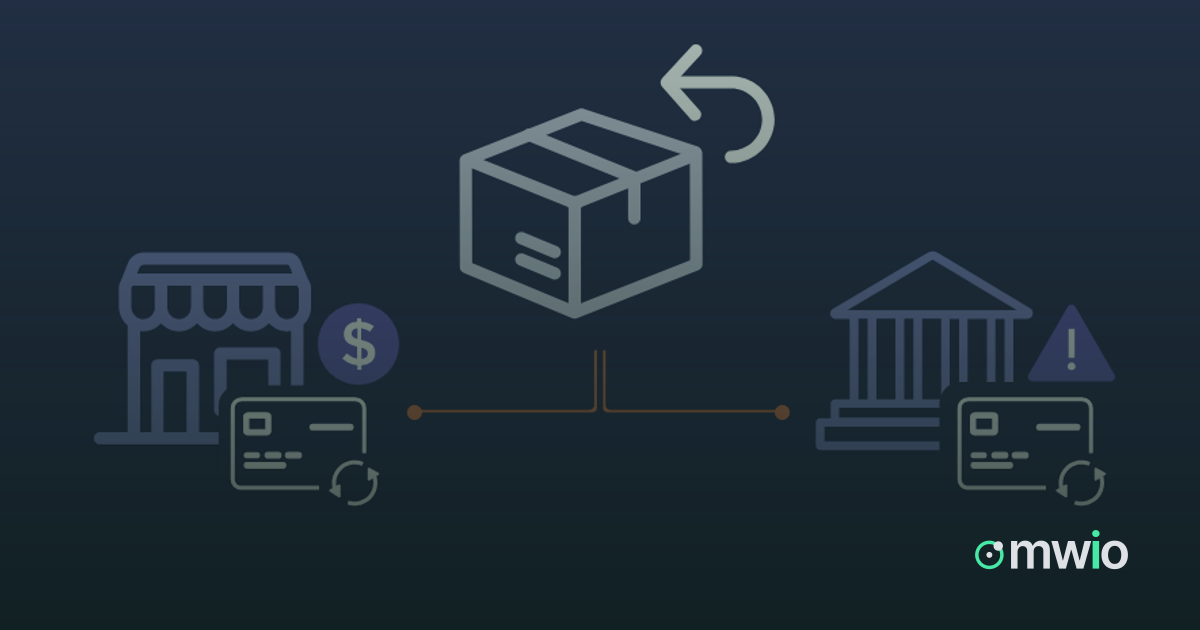
A chargeback happens when a cardholder, or their issuing bank, reverses a payment after it has already settled. It differs from a refund because the merchant does not initiate it — the dispute is raised through the card network and the issuing bank, and the funds can be pulled back from the merchant's side while the case is reviewed. For merchants running a payment business, chargebacks are a routine part of operations, not an exception, so having a clear process for them matters as much as having a process for successful payments.
Respect the timeline you are given
Every chargeback notification comes with a response window set by the card network and the acquiring or processing partner involved in that transaction. These windows are not identical across cases, so the single most important first step is to read the notice carefully and note the exact deadline it states, rather than assuming a standard number of days. Missing a deadline typically means losing the dispute by default, regardless of how strong the underlying evidence might have been. Merchants should treat the arrival of a chargeback notice as a time-sensitive task from the moment it lands, and route it immediately to whoever on the team is responsible for disputes.
- Confirm the deadline stated in the notice itself, not a general assumption
- Assign ownership of the case the same day it is received
- Keep a simple log of open disputes and their due dates so nothing is missed
Building evidence that holds up
The strength of a chargeback response depends on how directly the evidence answers the specific reason code or dispute category raised by the cardholder or issuer. Generic evidence rarely helps; what matters is documentation tied to that exact transaction. Useful material usually includes proof that the customer authorized the charge, proof that goods or services were delivered or accessed as described, and any communication with the customer around the time of the purchase or afterward. Keeping transaction-level records organized and easy to retrieve — rather than scattered across different systems — makes it far easier to assemble a response before the deadline closes. Submitting a response does not guarantee the outcome; it simply ensures the case is reviewed with the facts available rather than decided by default.
Practical ways to reduce disputes
Reducing the number of chargebacks a business receives starts with reducing confusion for the customer. A checkout and billing descriptor that clearly match the merchant's recognizable name help customers identify a charge instead of disputing it as unfamiliar. Clear communication about what was purchased, delivery or access confirmation, and an easy way for customers to reach support before they go to their bank all reduce the chance that a legitimate question turns into a formal dispute. Reviewing patterns in past disputes — which products, which customer segments, which moments in the flow — can also point to where confusion or dissatisfaction is originating, so it can be addressed at the source rather than case by case.
- Make the checkout and statement descriptor recognizable to the customer
- Confirm delivery or service access clearly after purchase
- Offer a visible support contact before a dispute becomes necessary
- Review recurring patterns across past chargebacks
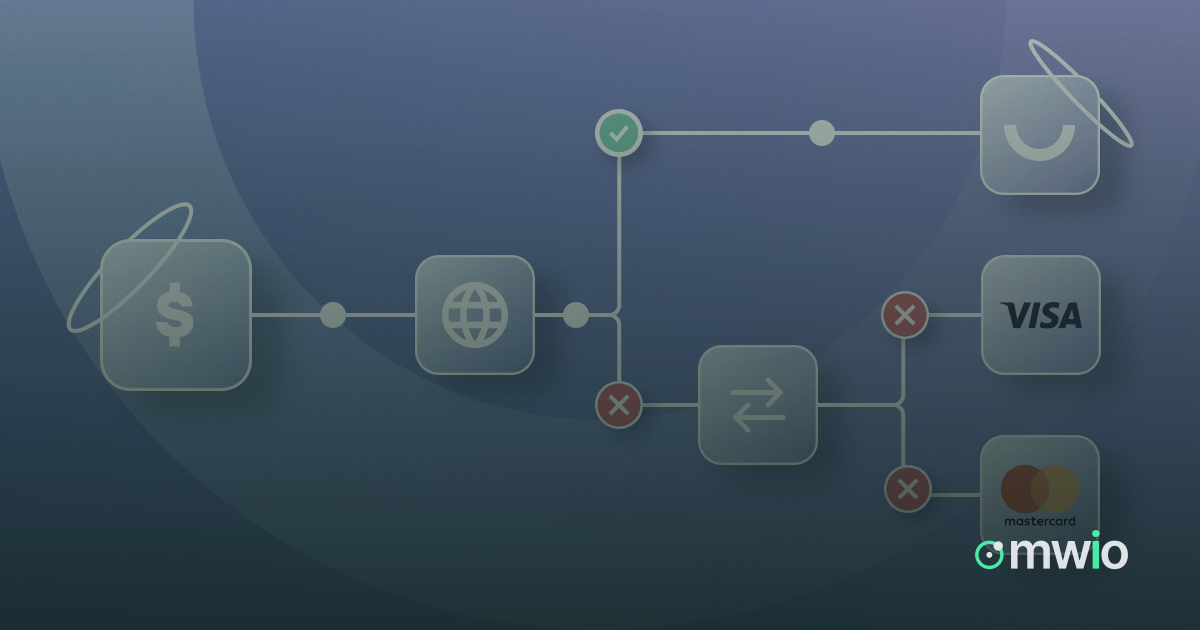
Keeping disputes organized across your payment setup
For merchants operating through a broader payment setup, with multiple providers connected through routing and transactions tracked centrally, having visibility into where a disputed transaction actually went — which provider processed it, what the transaction record shows — makes it easier to pull the right details quickly. A merchant panel that keeps transaction history, wallet activity, and checkout records in one place removes the need to chase information across separate systems when a dispute notice arrives with a deadline already running. Treating dispute handling as a defined, repeatable workflow, supported by organized records, is the most reliable way to keep response quality consistent as transaction volume grows.